


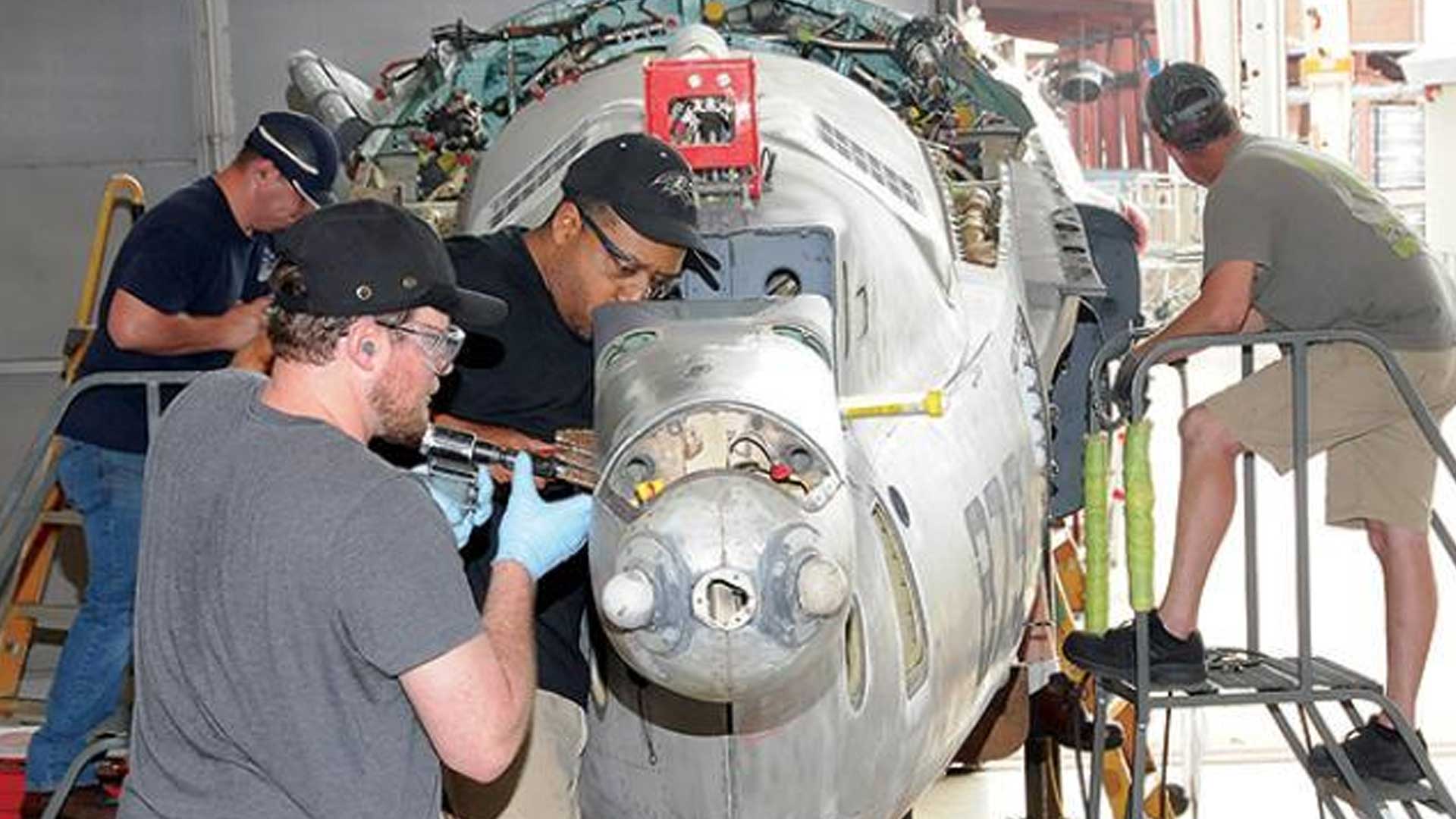
Military aircraft are among the most complex and expensive assets operated by the U.S. Department of Defense. From fighter jets and strategic bombers to transport aircraft, helicopters, and unmanned aerial systems, these platforms depend on thousands of interconnected mechanical, electrical, and electronic components. Despite their technological sophistication, the operational availability of an aircraft can ultimately depend on something as simple as the availability of a replacement part.
When a critical component fails and a suitable replacement is unavailable, maintenance personnel may be unable to return the aircraft to service. This condition, commonly associated with aircraft-on-ground (AOG) situations, can have consequences extending well beyond the immediate maintenance requirement. Aircraft downtime can disrupt training schedules, delay operational missions, increase maintenance costs, and place additional demands on the remaining available fleet.
For defense organizations, supply chain performance is therefore inseparable from operational readiness. As military aircraft age and global component supply networks become increasingly complex, the ability to identify, source, verify, and deliver replacement parts has become a critical element of aviation sustainment.
The Relationship Between Parts Availability and Mission Readiness
Aircraft readiness is generally evaluated through measures such as mission-capable rates, which indicate the proportion of time aircraft are available and capable of performing assigned missions. These measures are influenced by maintenance requirements, equipment reliability, personnel availability, and the accessibility of necessary replacement components.
A missing part can prevent an otherwise functional aircraft from returning to service. Even relatively inexpensive components may be essential to flight safety, communications, navigation, hydraulic systems, or other critical functions. When these items are unavailable, maintenance teams must wait for replacements, identify approved alternatives, or pursue other authorized sustainment solutions.
The challenge becomes more significant when multiple aircraft require the same component. A shortage affecting a commonly used part can create a backlog of maintenance requirements, reducing availability across an entire fleet.
The U.S. Government Accountability Office (GAO) has repeatedly identified sustainment challenges affecting military aviation, including shortages of spare parts, maintenance delays, and difficulties maintaining aging aircraft. These issues illustrate how logistical constraints can limit the operational effectiveness of otherwise capable military systems.
Consequently, procurement and inventory management are not merely administrative functions. They directly influence the ability of military units to generate sorties, complete training requirements, and respond to operational demands.
The True Cost of an Aircraft-on-Ground Event
The financial consequences of an aircraft remaining grounded are not limited to the purchase price of the replacement component. Aircraft downtime can generate a combination of direct maintenance expenses, indirect operational costs, and broader readiness impacts.
When a required part is unavailable, maintenance personnel may need to conduct additional troubleshooting, coordinate alternative sourcing arrangements, or reorganize maintenance schedules. These activities consume labor and administrative resources that could otherwise support planned maintenance operations.
Aircraft downtime can also disrupt flight schedules and training programs. Military aviation units must maintain proficiency through recurring flight operations, and reduced aircraft availability can complicate the scheduling of pilots, maintenance crews, and supporting personnel.
In operational environments, the consequences may be more substantial. Aircraft that cannot be returned to service reduce the number of platforms available for mission assignments. Depending on the aircraft type and operational requirements, commanders may need to redistribute missions among available assets or adjust planned activities.
There are also potential long-term consequences. When maintenance requirements accumulate, organizations may experience growing backlogs that become increasingly difficult to resolve. Extended downtime can complicate maintenance planning and increase pressure on supply and repair organizations.
Although the exact financial impact varies considerably by aircraft type and operational circumstances, the broader principle remains consistent: the cost of a missing component can far exceed its acquisition value.
Aging Aircraft and the Challenge of Component Obsolescence
One of the most persistent challenges facing military aviation sustainment is the age of many operational aircraft.
Unlike commercial electronic products, which may be replaced every few years, military aircraft frequently remain in service for several decades. During that period, manufacturers may discontinue components, suppliers may exit the market, and production processes may change substantially.
This creates a growing disconnect between the operational lifespans of military platforms and the commercial availability of the parts needed to maintain them.
Electronic components are particularly vulnerable to obsolescence. Semiconductors, processors, memory devices, and other microelectronic products often follow commercial technology cycles that are significantly shorter than military aircraft service lives.
Mechanical components can present similar challenges. Specialized fittings, actuators, connectors, and other assemblies may have limited production volumes or depend on manufacturing capabilities that are no longer widely available.
The Department of Defense addresses these issues through Diminishing Manufacturing Sources and Material Shortages (DMSMS) management programs. These efforts seek to identify potential component shortages, evaluate alternatives, and develop mitigation strategies before obsolescence creates operational disruptions.
Effective DMSMS planning can involve identifying replacement components, conducting engineering evaluations, arranging lifetime purchases, or pursuing approved redesigns. However, these activities require coordination among engineering teams, procurement organizations, manufacturers, and maintenance personnel.
When obsolescence is not addressed proactively, the resulting shortages can create significant sustainment challenges for aircraft fleets.
Why Traditional Procurement Processes Can Complicate Urgent Maintenance
Defense procurement operates within a regulatory environment designed to promote accountability, quality, competition, and responsible use of public resources. These requirements are particularly important for aviation components, where incorrect or substandard parts can create serious safety and reliability concerns.
However, the time required to identify and acquire replacement parts can become a challenge when maintenance needs are urgent.
Procurement personnel may need to confirm technical specifications, verify manufacturer part numbers, evaluate supplier qualifications, review documentation, and ensure compliance with applicable acquisition requirements. Depending on the component, additional considerations may include airworthiness requirements, configuration control, material certifications, and traceability.
These processes are essential, but they can extend procurement timelines when qualified inventory is difficult to locate.
Urgent maintenance situations create additional complexity because procurement teams must balance speed with quality assurance. A readily available component may not be suitable if its origin cannot be verified or if it lacks the documentation required for installation.
For this reason, successful aviation sustainment requires procurement capabilities that support both rapid sourcing and appropriate technical verification. Reducing delays should not mean weakening the controls intended to protect aircraft safety and operational reliability.
The Importance of Qualified Suppliers and Component Traceability
Supplier reliability plays a central role in aviation parts procurement.
Military and aerospace components must often meet demanding specifications and documentation requirements. Depending on the application, buyers may need to verify manufacturer authorization, material certifications, production history, inspection results, and chain-of-custody information.
These requirements are particularly important when sourcing components through secondary markets or obtaining parts that are no longer available through original production channels.
Counterfeit, misrepresented, or improperly documented components can create significant risks. A part that appears physically compatible with an aircraft system may not satisfy the necessary performance or qualification requirements.
Establishing traceability helps procurement organizations confirm component provenance and determine whether a part is appropriate for its intended application. Accurate records also support maintenance documentation, quality investigations, and future sustainment activities.
Qualified suppliers can help procurement organizations navigate these requirements by maintaining established sourcing relationships, providing available documentation, and identifying inventory that meets specified procurement criteria.
The objective is not simply to locate a component quickly, but to obtain the correct component through a sourcing process that supports applicable quality, safety, and regulatory obligations.
Building More Responsive Aviation Supply Chains
Improving aircraft readiness requires a combination of proactive planning, supply chain visibility, and responsive procurement practices.
Traditional inventory models often rely on historical demand patterns to determine which components should be stocked and in what quantities. While these approaches remain useful, aging aircraft and unpredictable maintenance requirements can make demand forecasting increasingly difficult.
A component that has historically experienced limited demand may suddenly become critical when multiple aircraft encounter similar failures. Conversely, maintaining excessive quantities of specialized inventory can create financial burdens and increase exposure to obsolescence.
More responsive supply chains incorporate additional information, including component lead times, supplier availability, equipment failure trends, and anticipated maintenance requirements.
Predictive maintenance technologies may also improve planning by helping organizations identify potential failures before they result in unscheduled downtime. When supported by accurate maintenance and inventory data, these capabilities can provide procurement teams with additional time to secure replacement components.
Supplier diversification offers another potential advantage. Relying exclusively on a single source can expose maintenance operations to production interruptions, financial instability, or unexpected changes in availability. Establishing relationships with multiple qualified suppliers, where technically and contractually permitted, can improve sourcing flexibility.
However, diversification must be managed carefully. Alternative suppliers and substitute components may require engineering approval, qualification testing, or additional documentation before they can be used in aviation applications.
Ultimately, supply chain responsiveness depends on anticipating requirements, maintaining accurate information, and coordinating procurement activities with maintenance and engineering personnel.
Logistics as a Strategic Component of Military Readiness
The importance of aviation sustainment extends beyond individual aircraft maintenance events. At the operational level, the ability to maintain and repair equipment influences how effectively military forces can deploy, sustain operations, and respond to emerging threats.
Modern military planning increasingly recognizes that logistical capacity is a critical element of combat effectiveness. Aircraft performance and technological sophistication provide limited operational value when maintenance and supply systems cannot support sustained use.
This relationship becomes particularly important during periods of elevated operational demand. Increased flight activity can accelerate component consumption, create additional maintenance requirements, and place pressure on existing inventory.
Supply chains must therefore support not only routine maintenance but also unexpected increases in demand.
For defense procurement organizations, this means evaluating suppliers and logistics partners based on more than unit pricing. Component availability, lead-time reliability, documentation quality, sourcing flexibility, and responsiveness to urgent requirements can all influence sustainment outcomes.
An effective supply chain helps reduce the time between identifying a maintenance requirement and returning an aircraft to service. In doing so, it contributes directly to operational availability and mission readiness.
Supporting Aircraft Readiness Through Dependable Sourcing
The complexity of military aviation makes component availability an enduring sustainment challenge. Aging platforms, evolving technologies, limited manufacturing sources, and increasingly interconnected global supply networks can all affect the ability to obtain critical replacement parts.
Addressing these challenges requires a procurement approach that emphasizes proactive planning, qualified suppliers, accurate component identification, and appropriate traceability.
For defense contractors, aviation maintenance organizations, and government procurement professionals, dependable sourcing is an important part of maintaining fleet readiness. The ability to locate difficult-to-find components, verify their suitability, and coordinate timely delivery can help reduce avoidable maintenance delays.
At Obsidian Defense Logistics, we recognize the operational importance of reliable component sourcing and responsive supply chain support. Defense and aerospace organizations operate in environments where procurement delays can have consequences extending far beyond the cost of an individual part.
As military aviation continues to evolve, effective logistics and dependable supplier relationships will remain essential to sustaining aircraft availability and supporting the missions those platforms are designed to perform.